

On September 18, 2026, YouTuber and content creator Frankie LaPenna entered a cage with a six-foot-tall humanoid robot nicknamed the "T-800" after the Terminator films in a competition hosted by REK, a robotics company.
In footage released by REK to KSW TV on September 20, LaPenna opens by throwing a series of punches and combinations at the robot's chest and head before the robot stiffens and responds with a front kick that sends LaPenna across the cage.
REK described it on X as "the first Human VS Terminator robot fight," and LaPenna also claimed in a follow-up video that it was "the world's first human vs. robot battle" — a claim that LaPenna himself originated rather than one that has been officially verified.
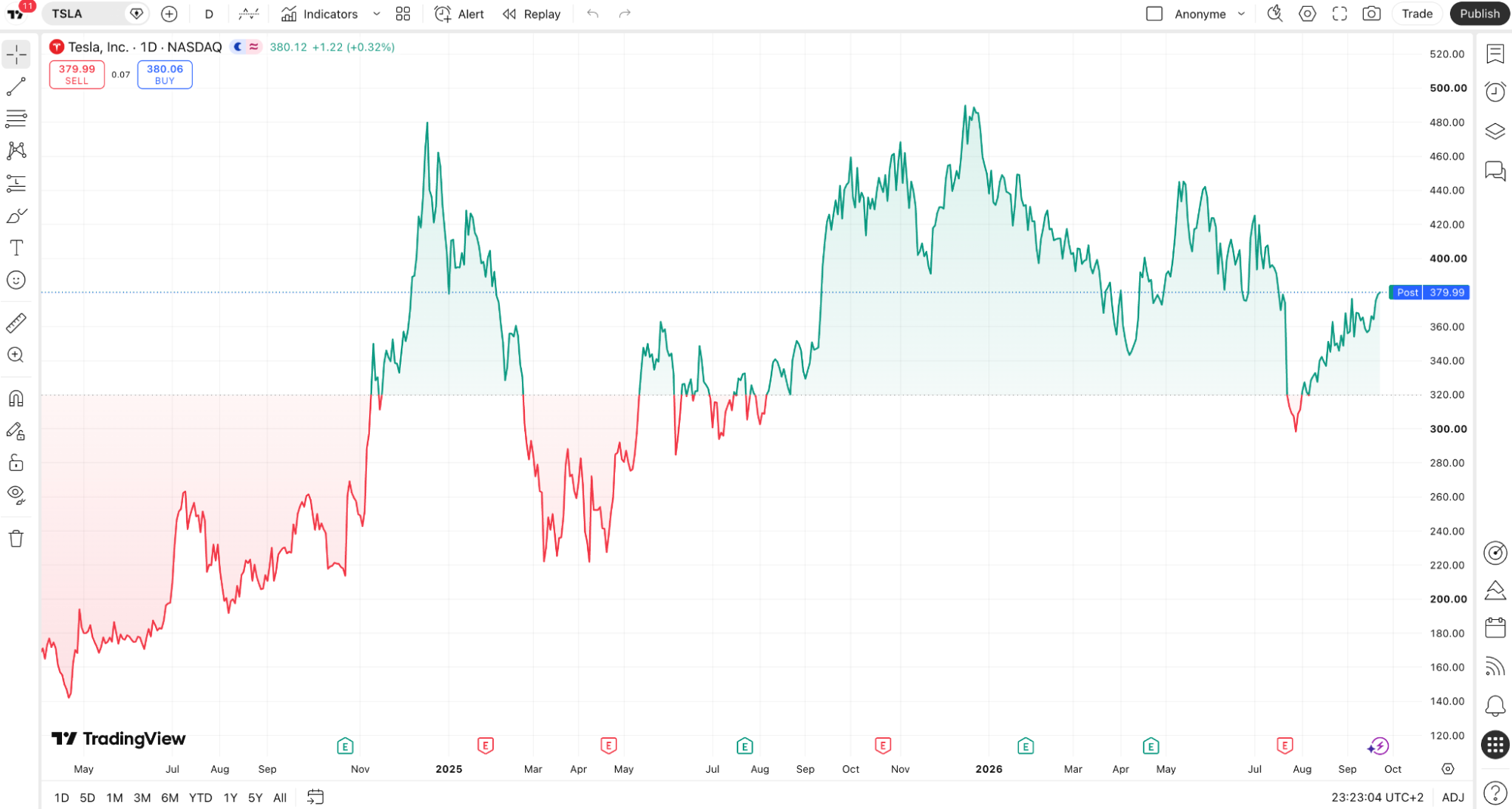
Recently, big players like Elon Musk have been making robotics an essential part of tomorrow's economy. So much so that Tesla stock is doing pretty well thanks to the popularity of Cybercab robot taxis and Optimus humanoids.
Not Quite Robot vs. Human
First, the key point that always seems to get washed out in the headlines: the T-800 was not autonomous. REK's robots are tele-operated — a human pilot directs the robot's motion in real time. What the event revealed was embodied control, mechanical stability, and stagecraft, not independent combat tactics.
Tesla's head of Autopilot/AI, Ashok Elluswamy, also said publicly that all three demos were remote-controlled and that robot safety in the real world is a "downstream" challenge separate from "large AI model safety."
Basically, it was the human pilot, operating out of sight through a six-foot machine, versus a human entrant inside the cage — with the robot providing brawn and stamina that the human body cannot match. That said, the military uses of such technologies should be monitored very closely, especially as defense budgets skyrocket and investor attention turns to the sector, including the prospect of an Anduril IPO.
This was not the first physical showdown between man and machine. Back at CES 2026 in Las Vegas, Sky News’ Rowland Manthorpe sparred with a Unitree G1 in a boxing exhibition — and won, after changing tactics to kicks the robot couldn't counter. That fight, however, was framed as a demo of safety and collaboration, not combat sports.
REK's event goes even further, as a full-size humanoid, designed to resemble a fictional murderbot, strikes with enough force to visibly knock a human backwards. Ken Goldberg, a robotics researcher at Berkeley, has already warned that most of the "robot combat" being sold at the moment is more "robot theater" because of the number of human operators still in the driver's seat.
Three things are clear. First, these humanoid robots are now strong and sturdy enough to physically take on a human body without breaking, a feat of mechanical engineering.
Second, this entertainment is being intentionally constructed: REK's creator is using popular human-vs-robot videos to attract pilots and direct attention to an upcoming VR-controlled combat league, not to demonstrate that the bots can compete on their own.
Third, questions remain about the regulatory and safety regime for caging an unprotected human against such a piece of equipment, a regulatory gap that will probably only be addressed in the wake of an accident that makes the issue unavoidable.
Being dubbed the "first official human vs. machine fight" makes for good marketing, but as a tech story, it's a little more revealing of robot-pilot hardware and viral tactics than of true artificial intelligence stepping into the ring.