


Introduction
Dental composite bonding has become a popular option in modern cosmetic dentistry for improving the appearance of teeth while preserving as much natural tooth structure as possible. This treatment uses tooth-colored composite resin to address aesthetic concerns such as discoloration, small gaps, chipped edges, and minor irregularities in tooth shape.
Advances in dental materials and restorative techniques have made composite treatments more versatile. Dentists can select shades, layer materials, and shape the resin to create a restoration that complements the patient's natural teeth. However, the final appearance and durability depend on several factors, including the condition of the teeth, the materials used, oral hygiene, and the clinician's technique.
Understanding how dental composite works, its benefits, and its limitations can help patients make informed decisions about cosmetic dental treatment .bornadentclinic

What Is Dental Composite?
Dental composite is a tooth-colored restorative material made from a resin matrix combined with finely ground filler particles. It is widely used to repair damaged teeth and improve their appearance.
In cosmetic dentistry, composite bonding involves applying the material directly to selected areas of a tooth. The dentist carefully shapes the resin and hardens it using a specialized curing light.
Depending on the patient's needs, composite may be used to repair chipped teeth, improve the appearance of discolored areas, close small spaces, or make minor adjustments to tooth contours.
Unlike porcelain veneers, direct composite bonding can often be completed with minimal removal of natural tooth structure. The appropriate technique depends on the clinical situation and the desired result.
How Is Dental Composite Treatment Performed?
The procedure typically begins with a dental examination to assess tooth structure, gum health, bite alignment, and the patient's aesthetic goals.
The treatment process may include the following stages:
Initial assessment: The dentist examines the teeth and determines whether composite bonding is suitable.
Shade selection: A composite shade is selected to complement the surrounding teeth.
Tooth preparation: The tooth surface is cleaned and, when necessary, minimally prepared.
Bonding application: An adhesive system is applied before the composite resin is placed.
Shaping and curing: The dentist shapes the material and hardens it with a curing light.
Finishing and polishing: The restoration is refined to improve its contour, surface smoothness, and appearance.
Many direct composite procedures can be completed in a single appointment, although the duration depends on the number of teeth being treated and the complexity of the case.
Benefits of Dental Composite
One reason composite bonding is widely used is its versatility. It can address several cosmetic concerns without requiring extensive restorative work in suitable cases.
Natural-Looking Results
Modern composite materials are available in different shades and levels of translucency. With careful shade selection and layering, dentists can create restorations that blend with natural enamel.
Conservative Treatment
Composite bonding often requires little or no removal of healthy tooth structure. This can make it a conservative alternative to treatments that require more extensive preparation.
Efficient Treatment
Direct composite bonding is frequently completed in one visit. Patients may therefore avoid the laboratory fabrication stage associated with indirect restorations.
Repairability
If a composite restoration chips or becomes damaged, it can often be repaired or adjusted without replacing the entire restoration. The feasibility of repair depends on the extent and location of the damage.
Dental Composite or Porcelain Veneers?
Composite bonding and porcelain veneers can both improve the appearance of teeth, but they differ in material, preparation, and maintenance requirements.
Composite is generally applied directly to the tooth and can often be repaired relatively easily. Porcelain veneers are custom-made restorations that may offer greater resistance to staining, although their placement can require irreversible enamel removal.
The choice depends on tooth condition, aesthetic goals, budget, bite forces, and the amount of tooth preparation required. Neither option is automatically suitable for every patient.
How Long Does Dental Composite Last?
The lifespan of composite restorations varies according to the size and location of the restoration, the patient's oral habits, and maintenance.
Composite may gradually lose its polish, become stained, or chip under excessive force. Habits such as biting hard objects, chewing ice, or using teeth to open packaging can increase the risk of damage. Teeth grinding may also place additional stress on restorations.
Regular dental examinations, professional polishing when appropriate, and consistent oral hygiene can help maintain the restoration. Patients should follow their dentist's recommendations for monitoring and repair.
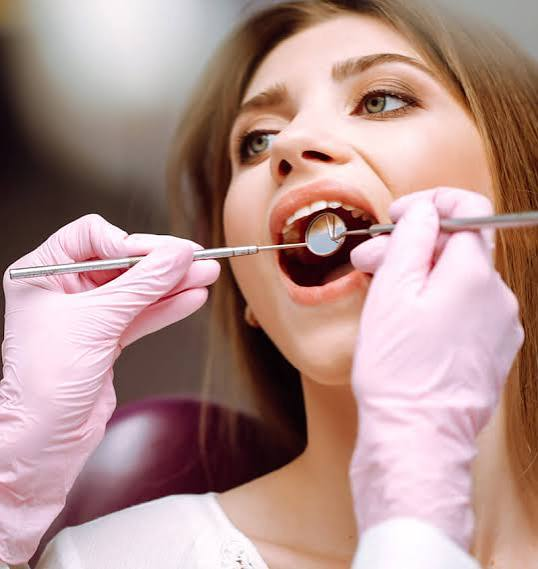
Caring for Composite-Bonded Teeth
Good oral hygiene is essential for maintaining both natural teeth and composite restorations.
Patients should brush twice daily with fluoride toothpaste, clean between their teeth every day, and attend routine dental appointments. Limiting frequent exposure to strongly pigmented foods and drinks may help reduce surface staining.
Smoking and tobacco use can also contribute to discoloration and negatively affect oral health. Patients who grind their teeth may benefit from an assessment to determine whether a protective night guard is appropriate.
Composite bonding does not prevent tooth decay or gum disease. The natural tooth beneath and around the restoration still requires regular care.
Who Is a Suitable Candidate?
Composite bonding may be appropriate for individuals with minor chips, small gaps, localized discoloration, or slight irregularities in tooth shape.
However, it may not be the best option for every case. Extensive structural damage, untreated decay, active gum disease, severe tooth misalignment, or significant bite problems may require other treatments first.
A clinical examination is necessary to establish whether composite bonding is suitable and whether another restorative or orthodontic approach would provide a more predictable outcome.
The Role of Modern Dental Materials
Developments in restorative materials continue to influence cosmetic dentistry. Improvements in filler technology, resin composition, shade systems, and polishing techniques have expanded the range of applications for composite materials.
Digital photography, intraoral scanning, and digital smile planning can also support communication between dentists and patients. These technologies may help document the initial condition and discuss potential aesthetic changes, although digital simulations cannot guarantee an identical clinical result.
The broader direction of modern dentistry is toward treatment planning that balances appearance, function, durability, and preservation of healthy tooth structure.
Conclusion
Dental composite bonding offers a conservative and adaptable method for improving the appearance of teeth. Its applications range from repairing minor damage to refining tooth shape and addressing selected aesthetic concerns.
Although composite materials provide important advantages, their performance depends on appropriate case selection, careful clinical technique, and ongoing maintenance. Comparing composite bonding with other treatment options allows patients to make decisions based on their individual dental needs rather than appearance alone.
As restorative materials and digital dentistry continue to develop, composite bonding remains an important option in modern cosmetic and restorative dental care.