


The expansion of artificial intelligence and the rapid construction of data centers worldwide are throwing an unexpected wrench into the works for smartphone manufacturers. Memory chips form the foundation of the computing infrastructure that powers AI. As suppliers shift capacity toward more profitable AI components, device makers are left with fewer memory chips and higher prices for the remaining inventory.
The pain suddenly appeared in the third quarter of 2026. Global smartphone shipments declined 20% year over year, the slowest third quarter since 2012, preliminary data from Counterpoint Research showed. Shipments refer to the number of units shipped to retailers and carriers, and don't reflect the number of phones sold to end users, but it's clear the industry is hurting.
There's a route from the link to the AI via the memory supply chain. AI workloads require enormous volumes of high-end memory, and this gives vendors reasons to concentrate on customers and products that offer better revenue potential.
This may reduce the available space for traditional memory used in consumer electronics. Counterpoint cites ongoing memory shortages as a limiting factor in smartphone availability, while Reuters writes that the demand for AI infrastructure led to increased memory prices and, consequently, more expensive phones.
Phone companies have limited ways to cope with rising costs. They can swallow the price hike, allowing profits to fall; shift it to consumers and therefore potentially depress sales; or cut back on production and trim product ranges, limiting their appeal to first-time buyers or those looking to upgrade from an aging device. All, to varying degrees, risk boosting prices and pushing consumers away.
However, the impact varies across manufacturers. Samsung’s Q3 shipments declined by 3%, according to Reuters, while OPPO and vivo each saw drops of over 20%. Xiaomi, which phased out lower-margin devices in several overseas markets, experienced a decline of more than 30%. Meanwhile, Apple increased its market share to 22% despite selling fewer iPhones — a clear example of how a company can expand its market share even in a shrinking industry.
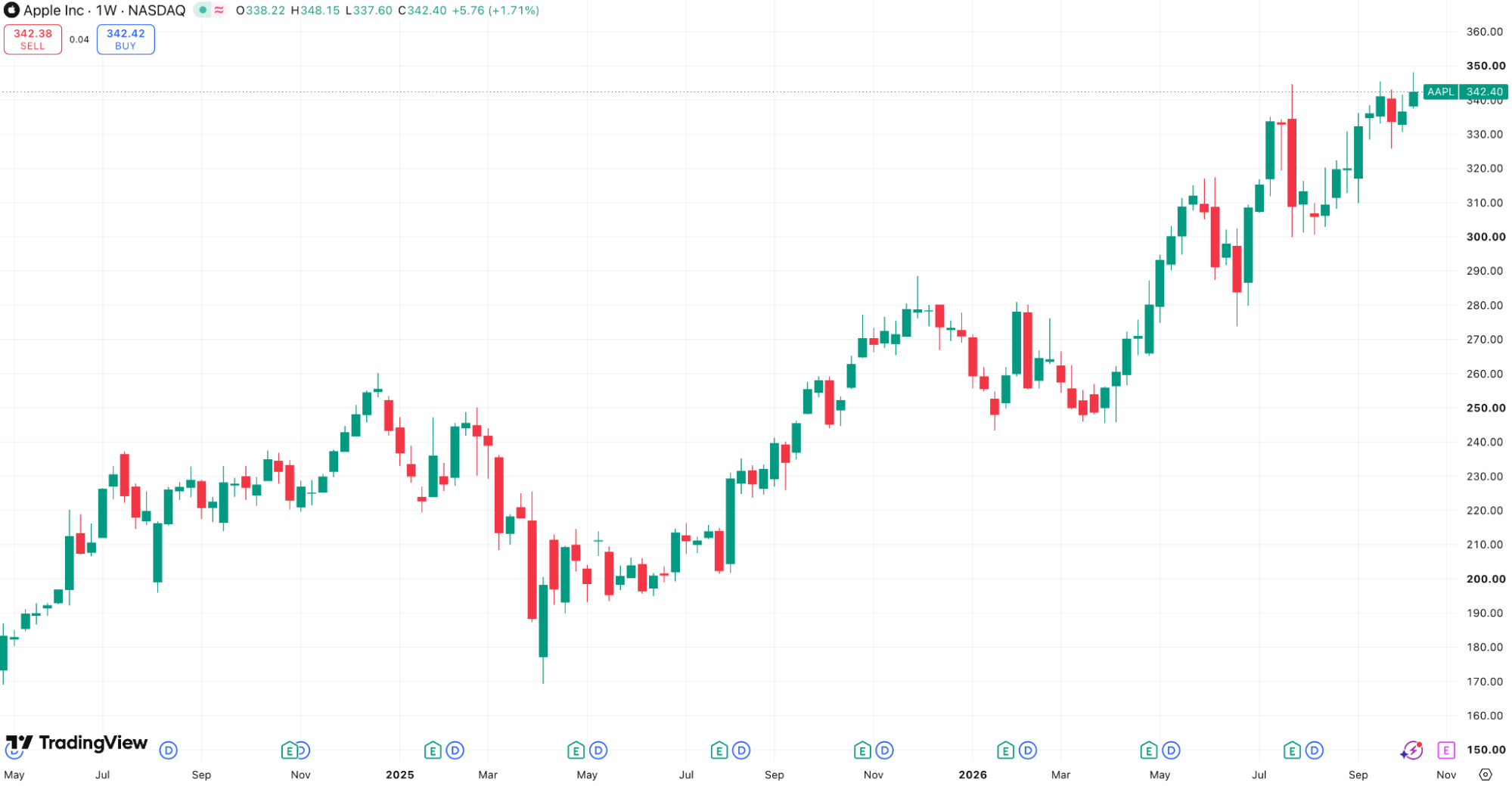
Apple didn't ignore the problem and instead passed the costs directly on to customers. This helped stabilize its stock price, which had taken a nosedive in July, enabling Apple shares to outperform the S&P 500 over one- and six-month periods. Notably, even AI leader Nvidia stock failed to match this performance, while other Magnificent Seven peers — Tesla and Meta — not only underperformed the broader market but also fueled concerns about AI spending with their earnings reports, weighing on Nasdaq 100 futures.
Consumers are also responding. They are keeping their phones longer or opting for used or refurbished models, which further exacerbates the slowdown. Buying a more expensive phone that offers only incremental upgrades over an existing model no longer feels like a necessity.
Looking further ahead, the market is being reshaped rather than simply resuming growth once shortages pass. In August 2026, IDC predicted a 16.7% drop in annual smartphone shipments and a 27.6% increase in average selling prices to $581 for the full year, alongside high single-digit market value growth despite the decline in shipments. While these are projections rather than actual numbers, they illustrate how higher prices can offset lower sales volume in overall market revenue.
AI isn't the only driver of phone demand, nor can a single quarter settle on how long the slowdown will last. But we do know what the trend looks like: more investment in AI, fighting over memory, and whoever pays ends up footing the bill.
If these shortages continue, we could see fewer devices sent out, less affordable models available, and greater reliance on premium phones. In that sense, AI is increasing the supply of one tech, and constricting the supply of another.
